2022-2025
The Park Playground: Customer Content Website
The Park Playground is an entertainment company where people can play free roam VR games in group.
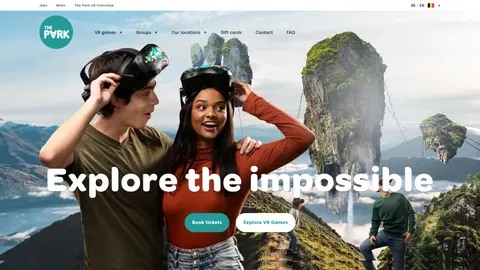
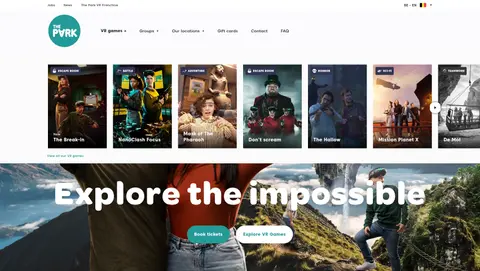
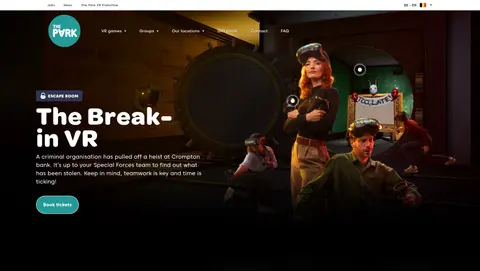
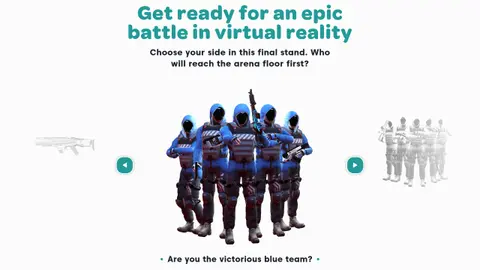
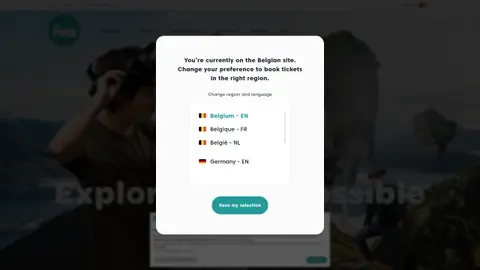
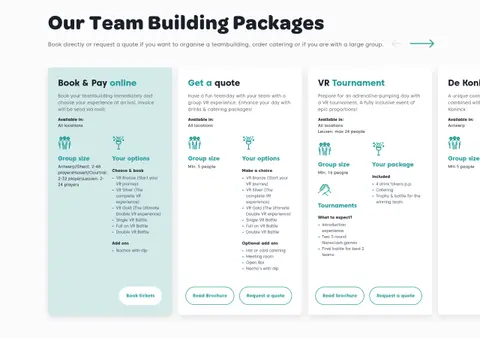
One of the main projects I worked on at The Park Playground was the customer-facing website, internally known as the 'Customer Content Website'. This involved a complete overhaul of the existing version, which was built on wordpress, with a separate Create React App for ticketing. The disjointed setup caused frequent headaches for the team, hence the need for a full rebuild.
As the lead developer on the project, I was responsible for most of the technical and architectural decisions, working closely the marketing department to align on functionality and finalize design choices. The graphical design was outsourced to Emakina, a web development and design agency.
We chose NextJS for the web framework and Storyblok for the cms, mainly for its convenient "live preview" feature. Together with two developer colleagues, a junior and a senior and both new to the company, we built and launched the new website in roughly four months, much to the delight of the marketing team.
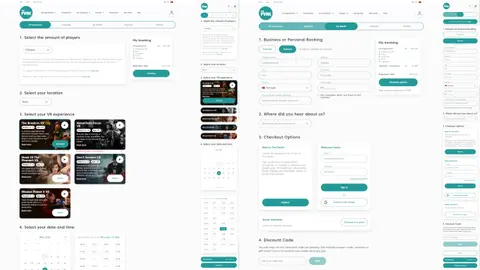
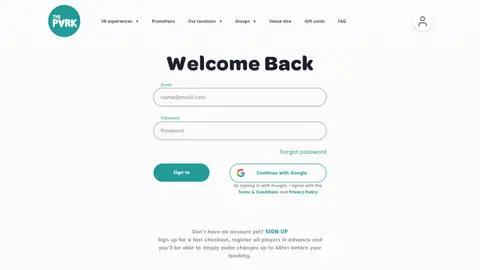
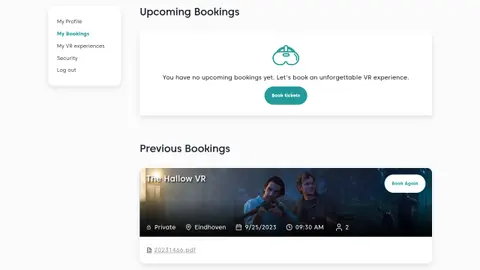
A year after launch, we began another major update, this time revamping standalone ticketing website. Fortunately, a project manager joined to oversee the process. In addition, we were tasked with building a new "Customer Accounts" feature, which required authentication. Since the The Park's backend already ran on Laravel, we extended it and chose AWS Cognito, for user authentication, primarily for its affordability and easy Google Single Sign-On integration, which was a requirement. Looking back, I likely would have rolled our own auth if I was given the chance. Third-party auth made achieving a seamless user experience difficult and not owning the customer data was somewhat unsettling.
At times this project pushed me to my limit, but it also taught me a lot.
Note: The current customer website of The Park Playground has since undergone another redesign, reflecting a strategic shift by management and not the quality of the version described here.
Relevant languages - tools - frameworks